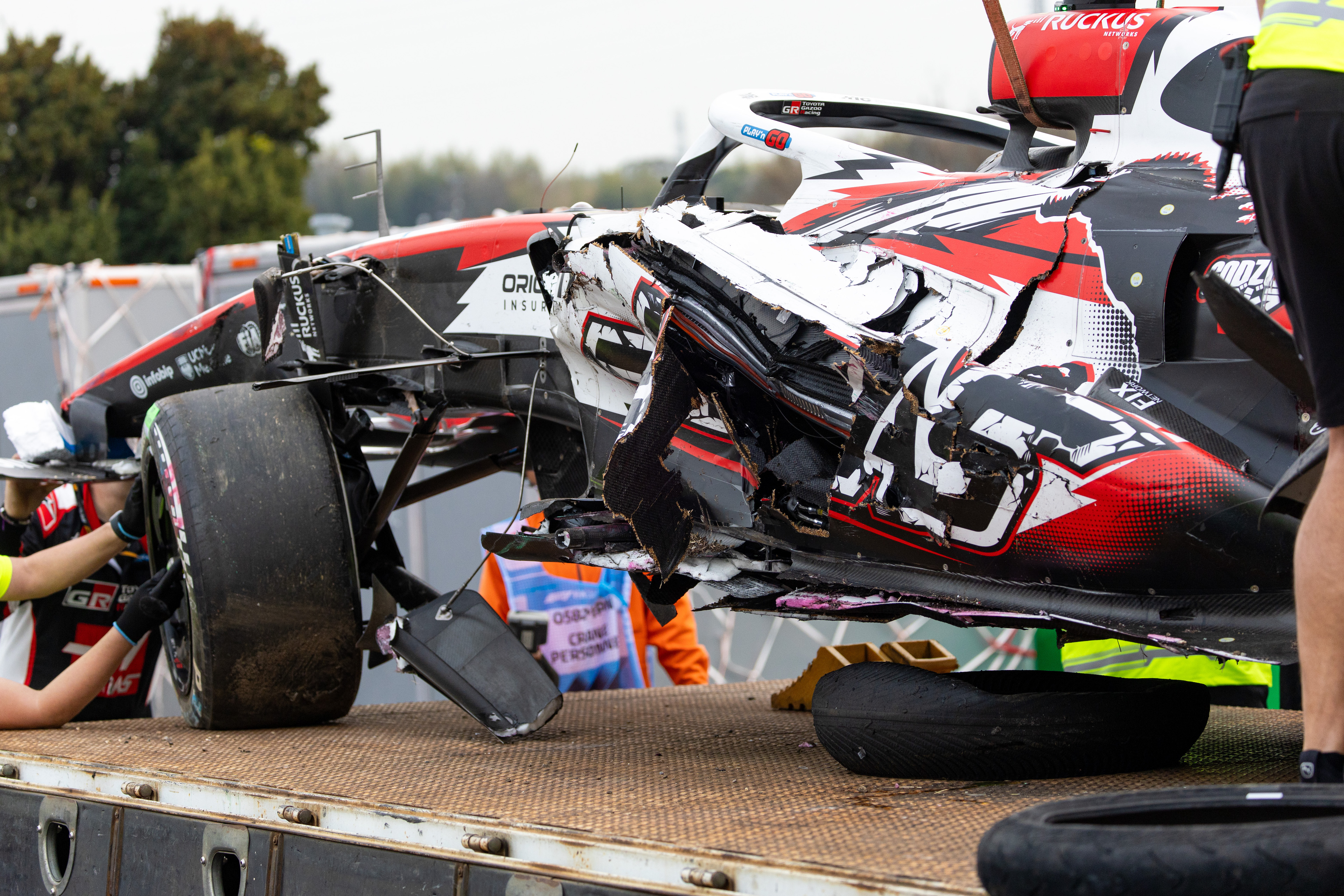
The Japanese Grand Prix has become a focal point for ongoing engine troubles affecting Formula 1 teams this season. As the race unfolded, teams encountered significant technical difficulties that raised concerns about the reliability and durability of their power units.
Engine performance issues have been a persistent challenge throughout the current F1 season, but the problems reached a critical point during the Japanese race. Several teams reported unexpected power losses and mechanical failures, which not only impacted their race results but also raised questions about the overall health of their engines.
The FIA, Formula 1's governing body, has acknowledged these issues and is actively reviewing the technical regulations to address the root causes. There is speculation that stricter engine durability standards and more rigorous testing procedures could be implemented in the upcoming seasons to prevent similar problems from recurring.
Teams have expressed a mixture of frustration and concern over the current situation. Some engineers suggest that the push for increased performance has compromised engine reliability, leading to a delicate balancing act between speed and durability. This dilemma has become especially evident in Japan, where the demanding track conditions have exposed vulnerabilities in the power units.
Moreover, the recent engine troubles have sparked debates about the future direction of F1 technology. Critics argue that the sport's emphasis on cutting-edge performance might be overshadowing the importance of reliability and safety. As the season progresses, teams and regulators are under pressure to find a sustainable solution that ensures both high performance and engine longevity.
In response to the escalating issues, some teams are already considering design modifications and more conservative strategies to protect their engines. Meanwhile, the FIA is contemplating tighter regulations and enhanced monitoring to mitigate the risk of engine failures in future races.
Ultimately, the Japanese GP has served as a wake-up call for the sport, highlighting the urgent need for a balanced approach to technological innovation and reliability. As F1 continues to evolve, stakeholders are keenly aware that maintaining the integrity of the engines is crucial for the sport’s competitiveness and safety.